

Projet à financer

Micro-forest

Expansion of a micro-forest in Waterloo

Waterloo

900
300 m2
2025-2026

🌱 Project to fund

The Project

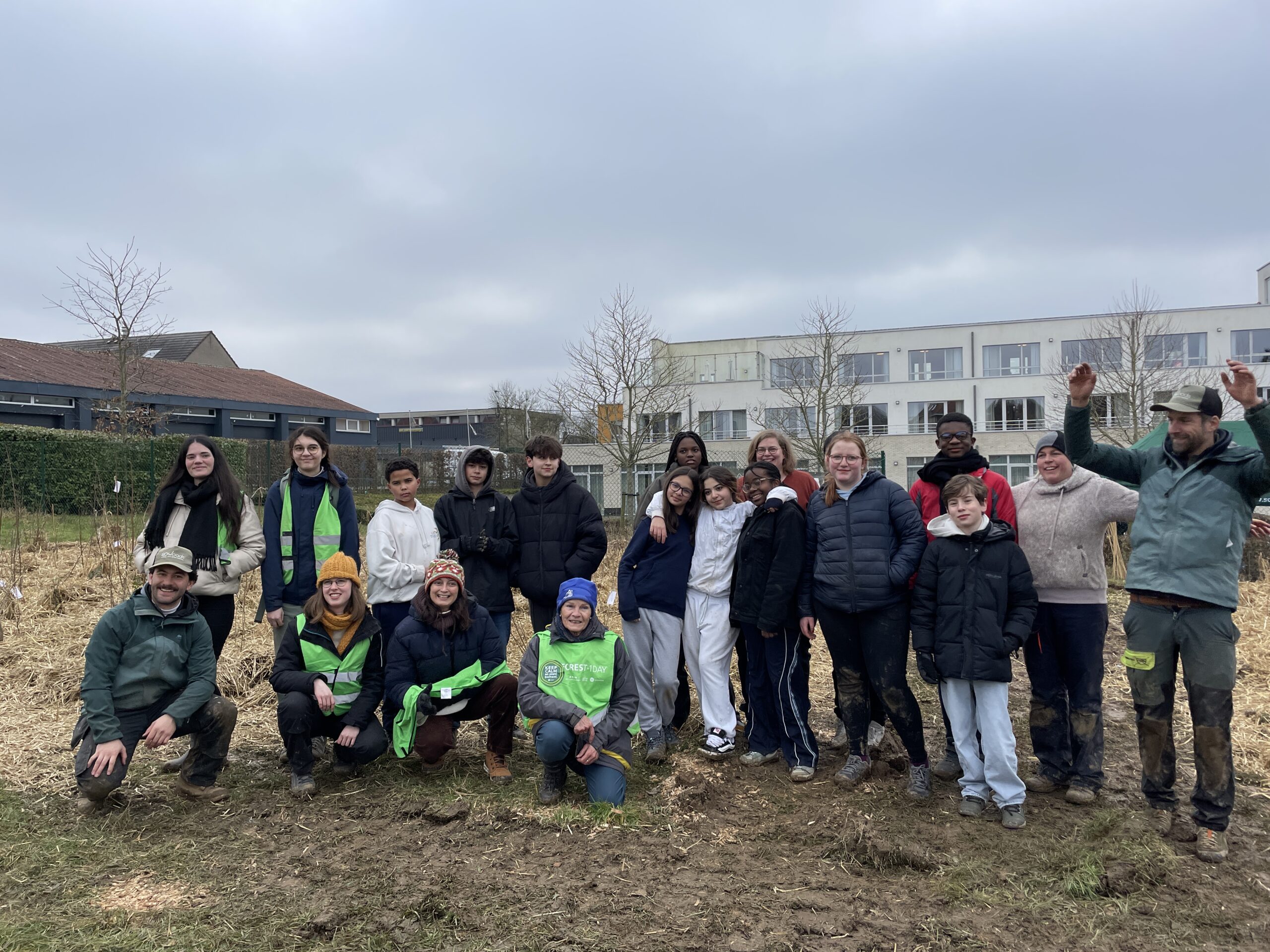
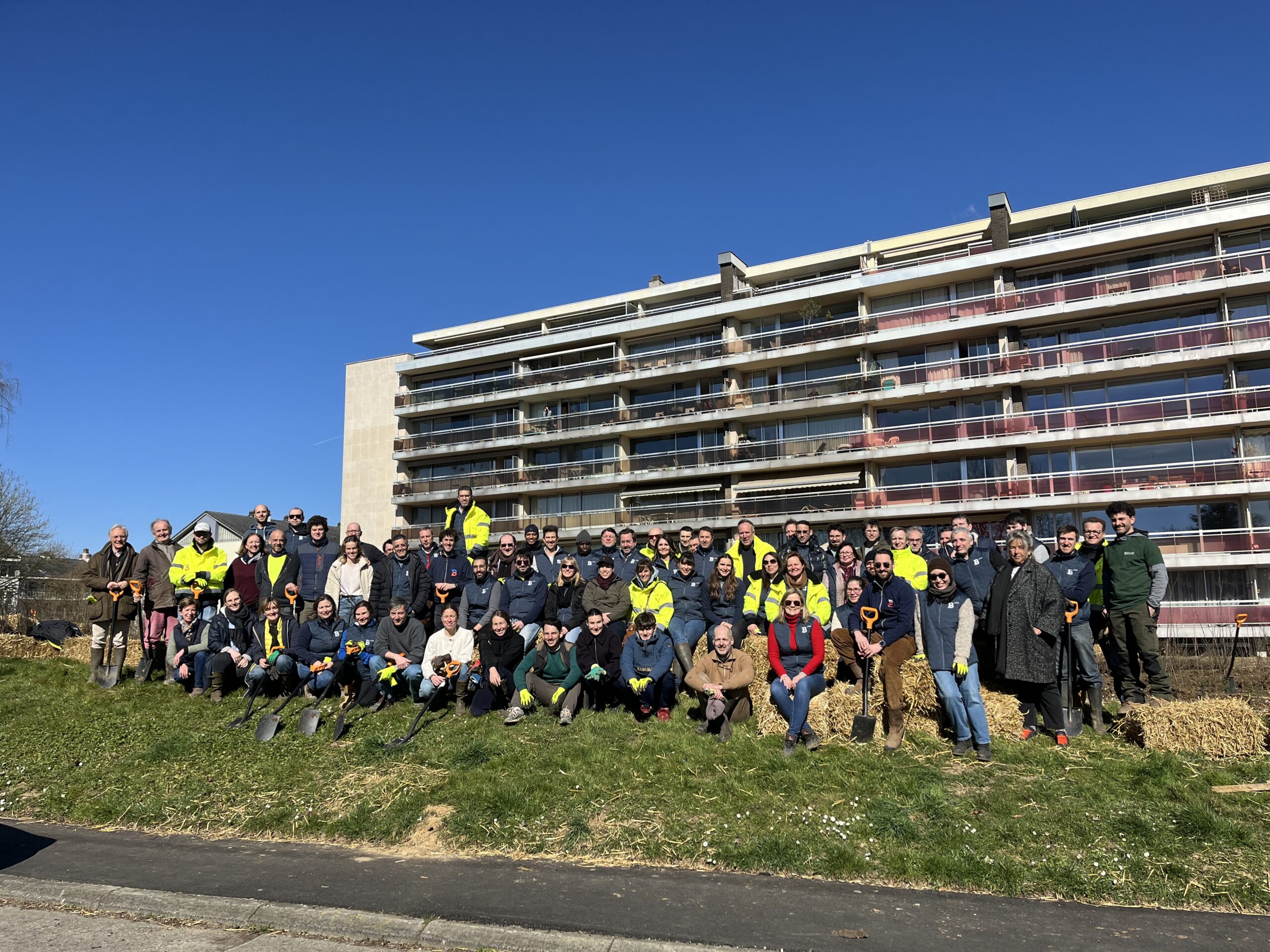
Following an initial phase in 2022, it was decided to expand a Miyawaki microforest at a school in Waterloo. The area to be planted, formerly home to large conifers, is ideal for creating a wooded area. Several benefits are expected: creation of a cool spot, increase in tree cover in the area, use of the area for student learning, etc.

Initial situation

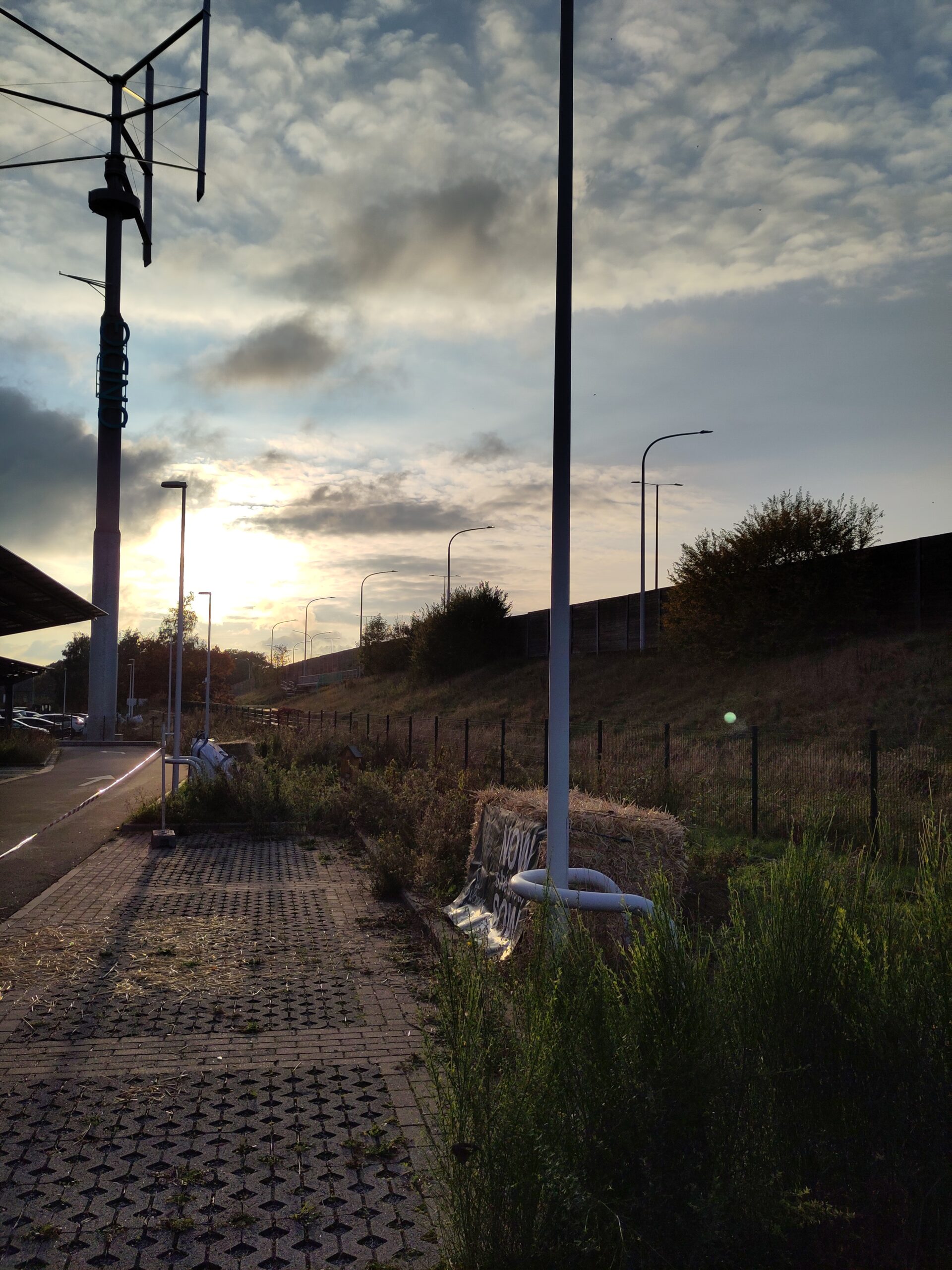
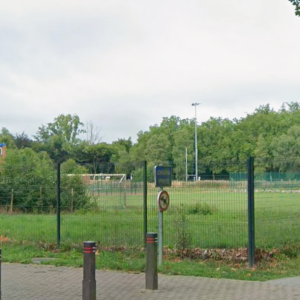
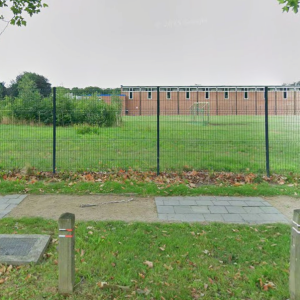
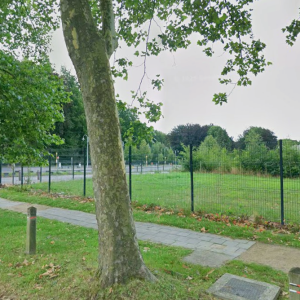
The area concerned was originally used as a sports field.

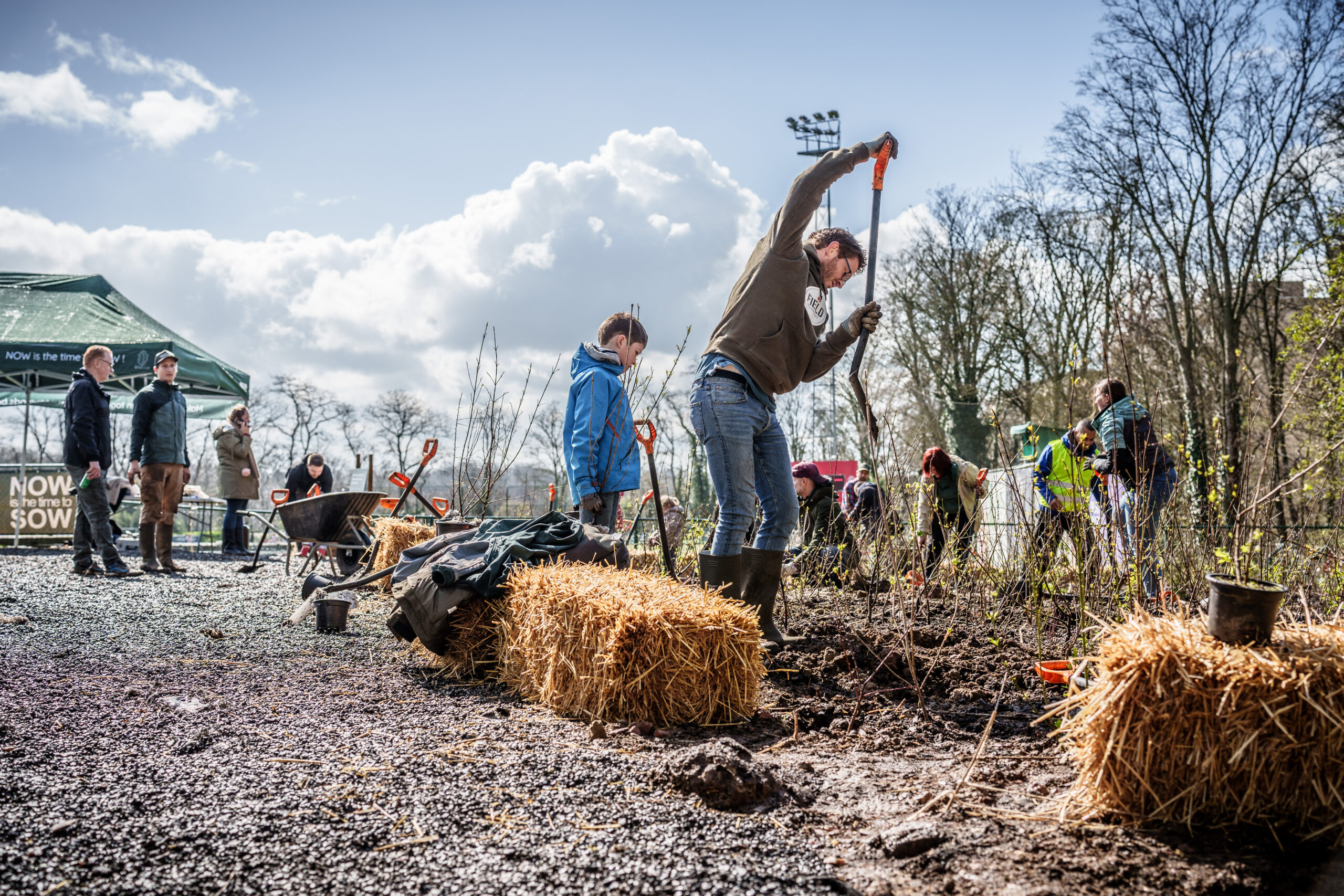
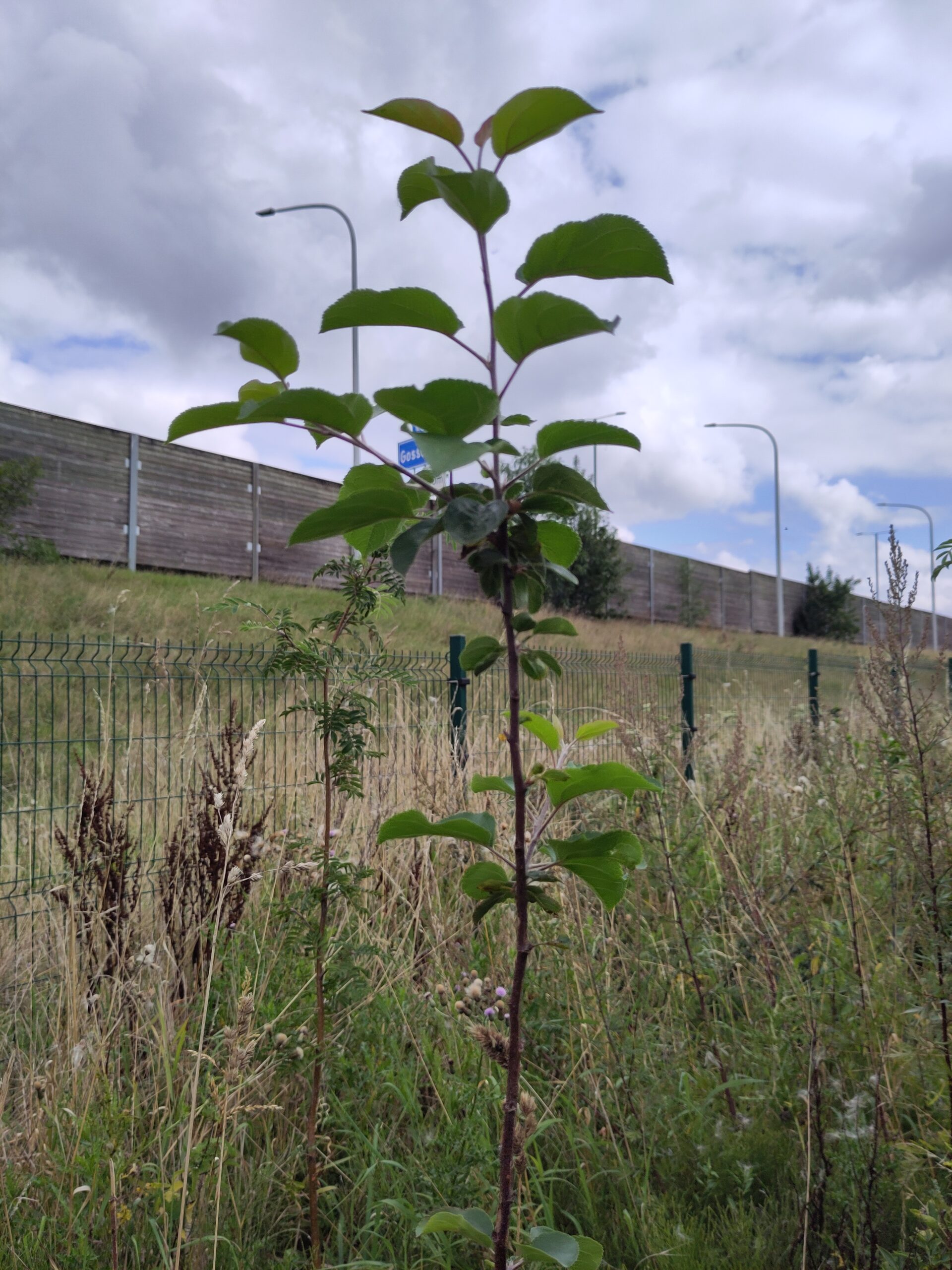
The site already includes an initial green core thanks to the microforest planted in 2022. Its proximity to mature woodlands and wetland areas is also a major asset, as these habitats may gradually support the spontaneous colonisation of the future microforest by local flora and fauna.

At the same time, nearby residential areas and road infrastructure partially fragment natural habitats. Creating a new dense vegetation structure can therefore help strengthen ecological connectivity at a local level.

A physico-chemical soil analysis was also carried out prior to the project. It identified, among other characteristics, a slightly acidic soil rich in organic matter but relatively low in phosphorus, as well as a silty texture that may be prone to compaction. These results directly informed both species selection and site preparation.

SOWoods’ solution

SOWoods designed a 300 m² Miyawaki microforest composed of 900 trees and shrubs from 19 different species.

The planting palette was developed based on three main factors: the results of the soil analysis, the local ecological context and the site’s sunlight conditions.

Wild cherry, birch, oak, lime, elm, hornbeam, field maple, rowan, hazel, hawthorn and dogwood are among the species that will gradually form three complementary vegetation layers: canopy, sub-canopy and shrub layer.

Benefits

Ecologocial : 

  • Creation of 300 m² of additional microforest on the school grounds.
  • Planting of 900 trees and shrubs from 19 different species.
  • Development of three complementary vegetation layers.
  • Strengthening of ecological connectivity with surrounding woodland and semi-natural habitats.
  • Creation of new habitats for insects, birds and small mammals.
  • Support for spontaneous colonisation by local flora and fauna.
  • Greater vegetation diversity across the school grounds.


Climate-related :

  • Gradual creation of a cooling island through the development of vegetation cover.
  • Contribution to locally lower temperatures through shade and evapotranspiration.
  • Improved rainwater infiltration.
  • Contribution to carbon storage in vegetation and soil.
  • Greater resilience of the site during periods of heat and drought.


Social :

  • Creation of an additional natural space accessible to the school community.
  • Development of a genuine living laboratory for students.
  • Greater awareness of biodiversity, forest ecosystems and climate change.
  • Opportunity to monitor the project’s evolution over several years.
  • Creation of a space for calm, observation and contemplation within the school grounds.
  • Involvement of students as both participants in and witnesses to a concrete renaturation project.
You?

Let’s make this project grow together

The design is ready. The site has been identified. Now we need to make it happen.

SOWoods is currently looking for one or more partners willing to help finance the transformation of this space into 300 m² of additional nature in Waterloo.

By supporting this project in Berlaymont, your organisation can make a concrete contribution to urban biodiversity, climate adaptation and a better working environment.

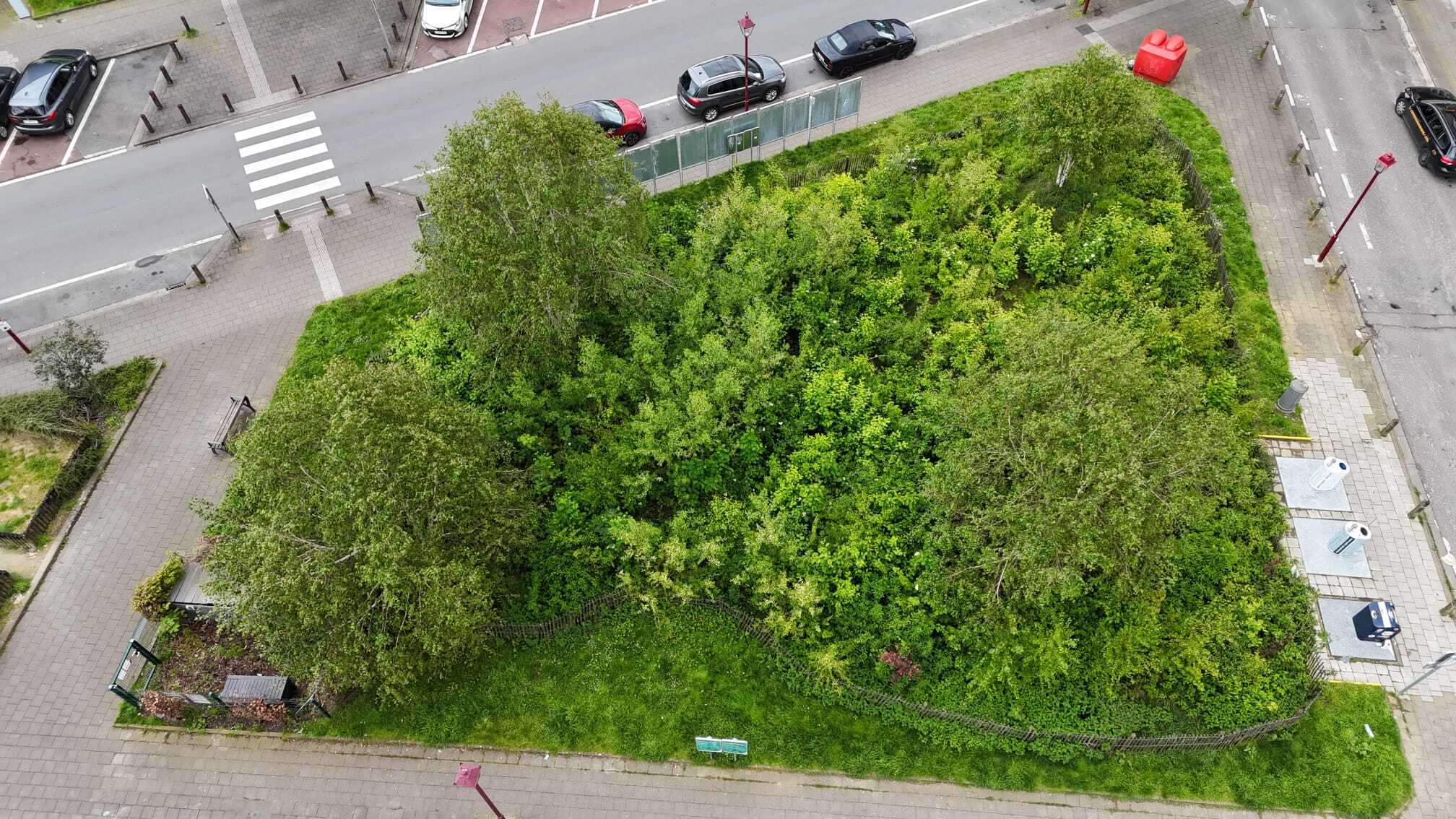
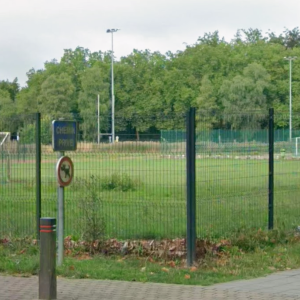
2026 - Before project

Let's work together?

Discover our other projects

Our partners