



Wildflower meadow & corporate greening

A wildflower meadow for a new industrial site

Mont-Saint-Guibert (Wallonia)

/
1100
Spring 2026

The Project

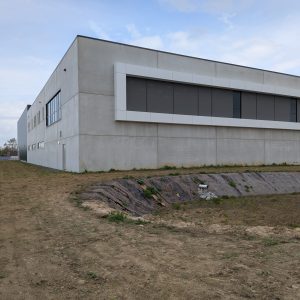
Following the relocation of its site and production facility, the company wanted to integrate more vegetation into the landscaping of its new outdoor spaces.

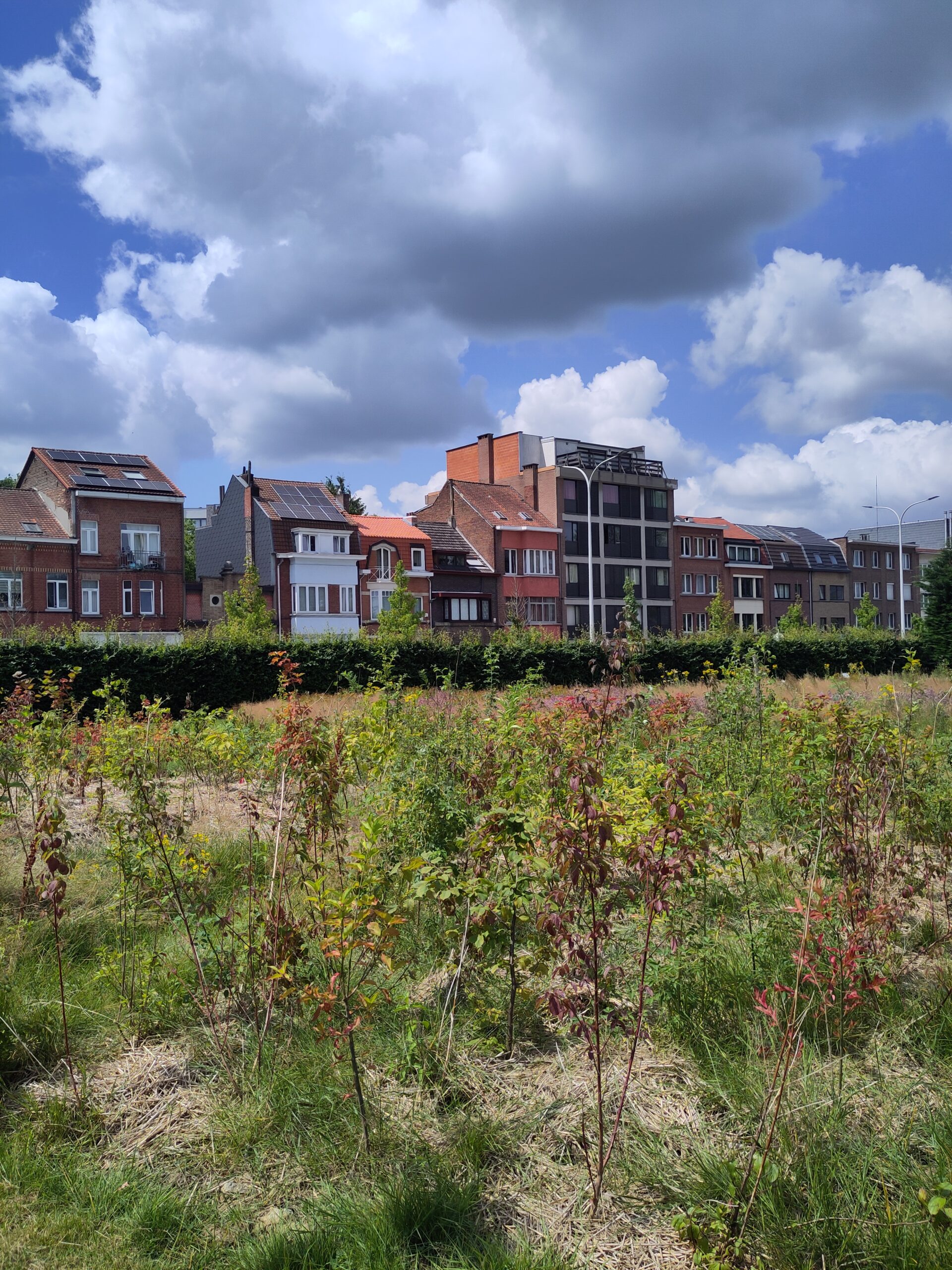
A landscape plan had previously been developed together with an architectural firm. SOWoods was then contacted to study the implementation of several green features across the site: a microforest, hedges, fruit trees, the planting of a rainwater retention swale collecting runoff from the production building, flower beds near the building entrances, climbing plants trained along cables on the façade and wildflower meadows.

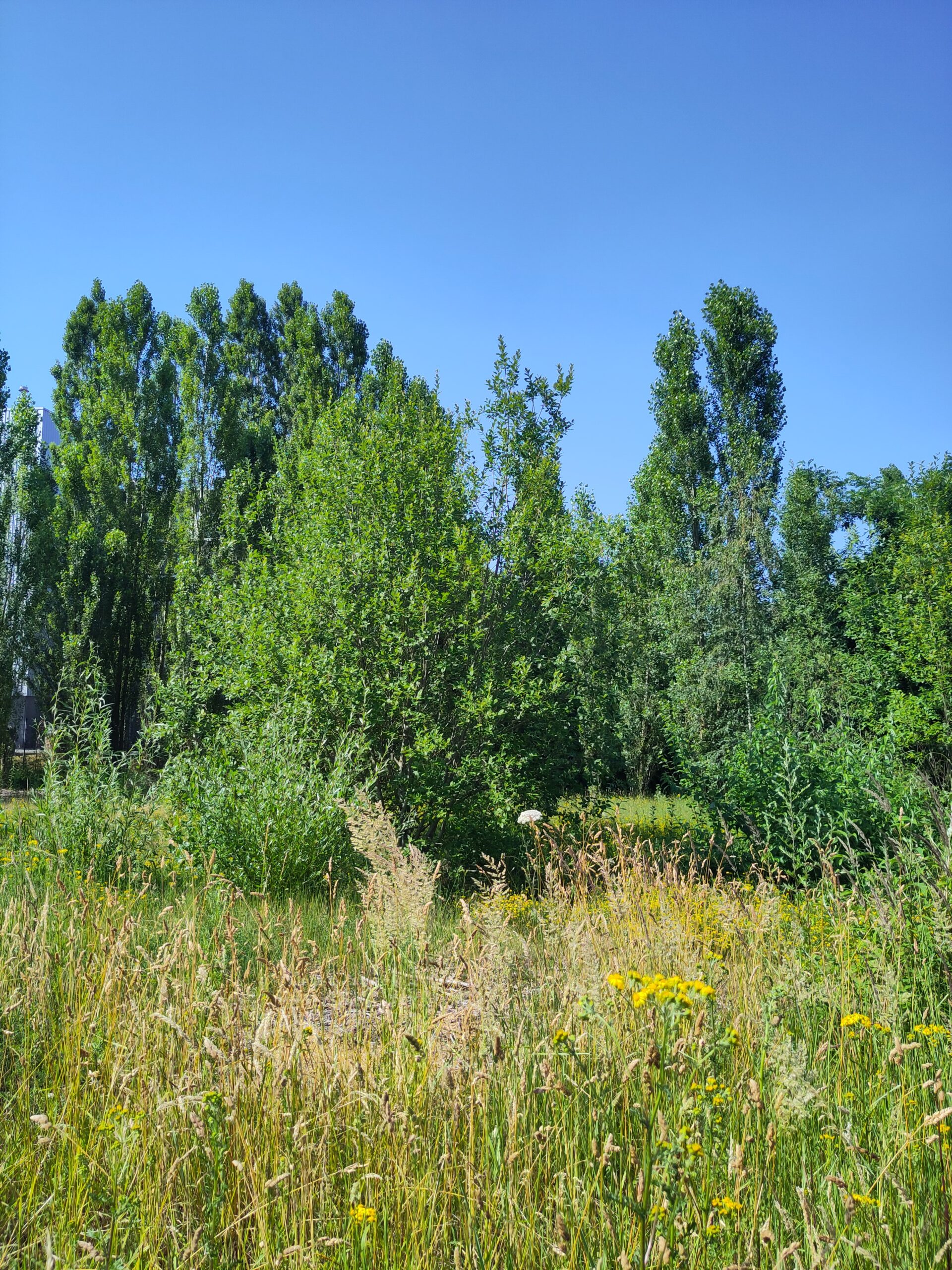
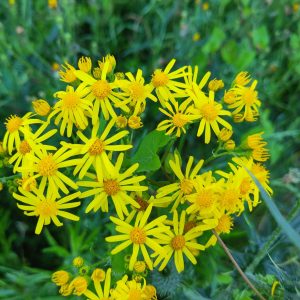
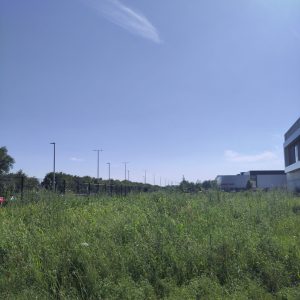
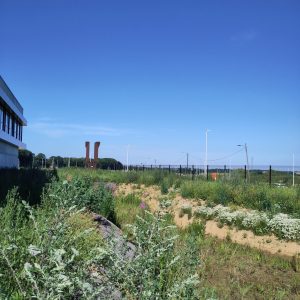
For the intervention carried out in 2026, the decision was made to create a wildflower meadow, with a clear objective: to green a large area while opting for a landscape solution requiring limited maintenance.

Initial situation

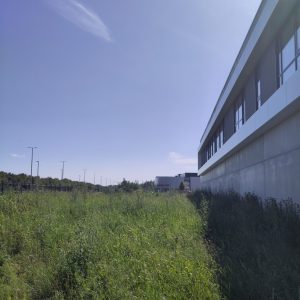
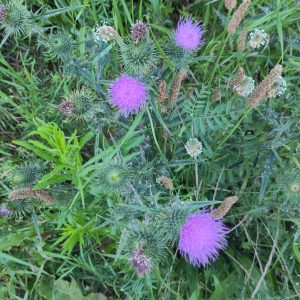
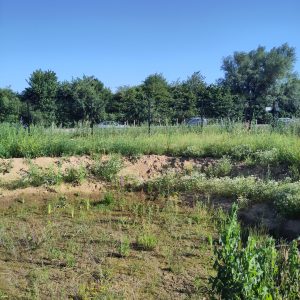
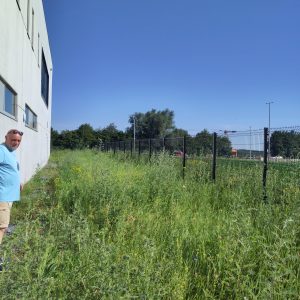
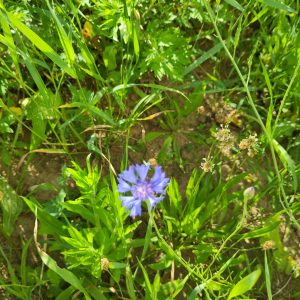
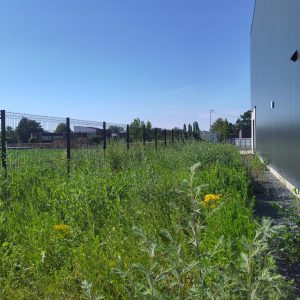
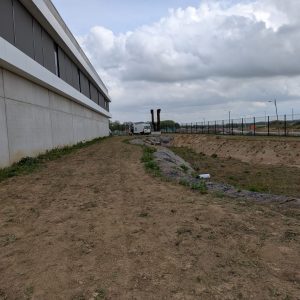
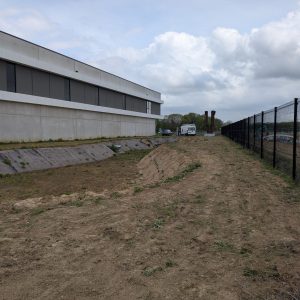
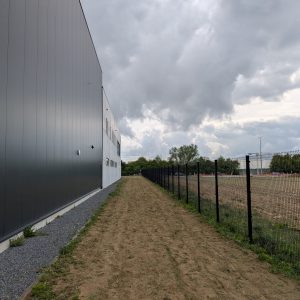
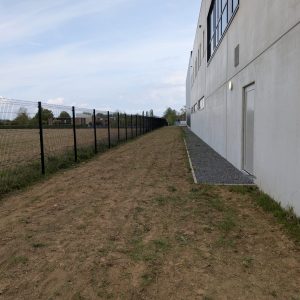
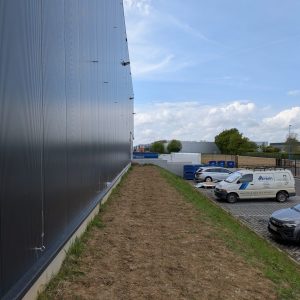
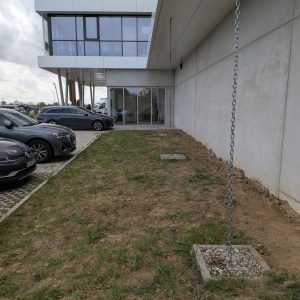
The areas concerned had been heavily disturbed and reshaped during the construction of the new site. The imported soil was particularly nutrient-rich and was already extensively colonised by spontaneous vegetation.

These conditions required specific preparation before sowing. A wildflower meadow develops differently depending on the nature of the soil, the level of sun exposure and the competition created by existing vegetation.

The site also included a range of light conditions, from areas in full sun to partial shade and more shaded zones.

SOWoods’ solution

SOWoods designed a wildflower meadow taking into account the specific characteristics of the site and the objective of creating an outdoor area requiring extensive rather than intensive maintenance.

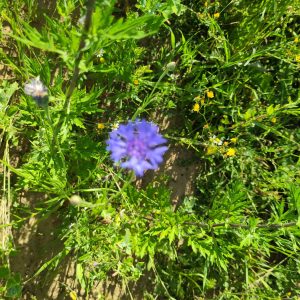
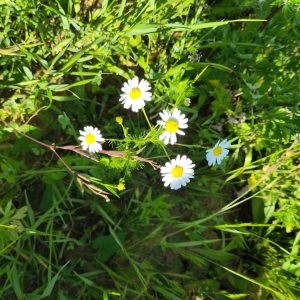
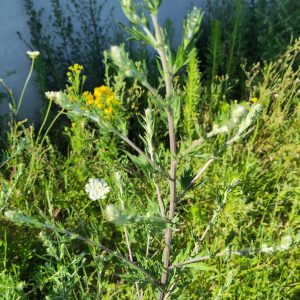
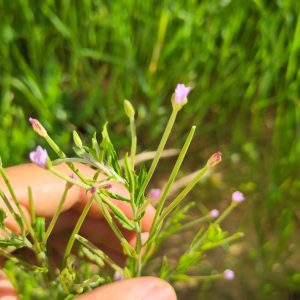
A mix consisting of 50% perennial plants and 50% flowers was selected to create diverse and long-lasting vegetation. Different seed mixes were also chosen according to the exposure of the various areas: sun, partial shade and shade.

The site was prepared in several stages during spring 2026, using the stale seedbed technique. An initial mowing and clearing phase helped bring the existing vegetation under control. A few weeks later, the regrowth was cleared again, the soil was mechanically prepared, and the different seed mixes were then sown.

This method aimed to give the sown species the best possible conditions to establish themselves despite the nutrient-rich soil and the strong initial presence of spontaneous vegetation.

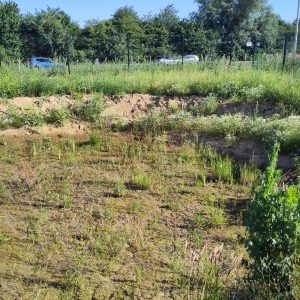
We have also planted species suited to environments that may be prone to flooding or that are either very wet or very dry, in the swale created to allow rainwater from the factory to infiltrate the ground.

Benefits

Ecologocial

  • Greater diversity of vegetation on a newly developed industrial site.
  • Creation of floral resources for pollinating insects.
  • Establishment of vegetation including perennial species able to develop over several seasons.
  • Adaptation of the seed mixes to the different exposure conditions across the site.


Climate-related :

  • Maintenance of vegetation cover across the outdoor areas.
  • Reduced direct exposure of the soil to sunlight.
  • Contribution to improved rainwater infiltration compared with sealed surfaces.
  • Contribution to the overall greening of the industrial site.


Social :

  • Enhancement of large outdoor areas through a green landscape solution.
  • Selection of an approach designed to require less maintenance than more intensive horticultural landscaping.
  • Creation of a landscape that evolves throughout the seasons.
  • Use of different seed mixes according to the exposure and characteristics of each area.
/
/
Company

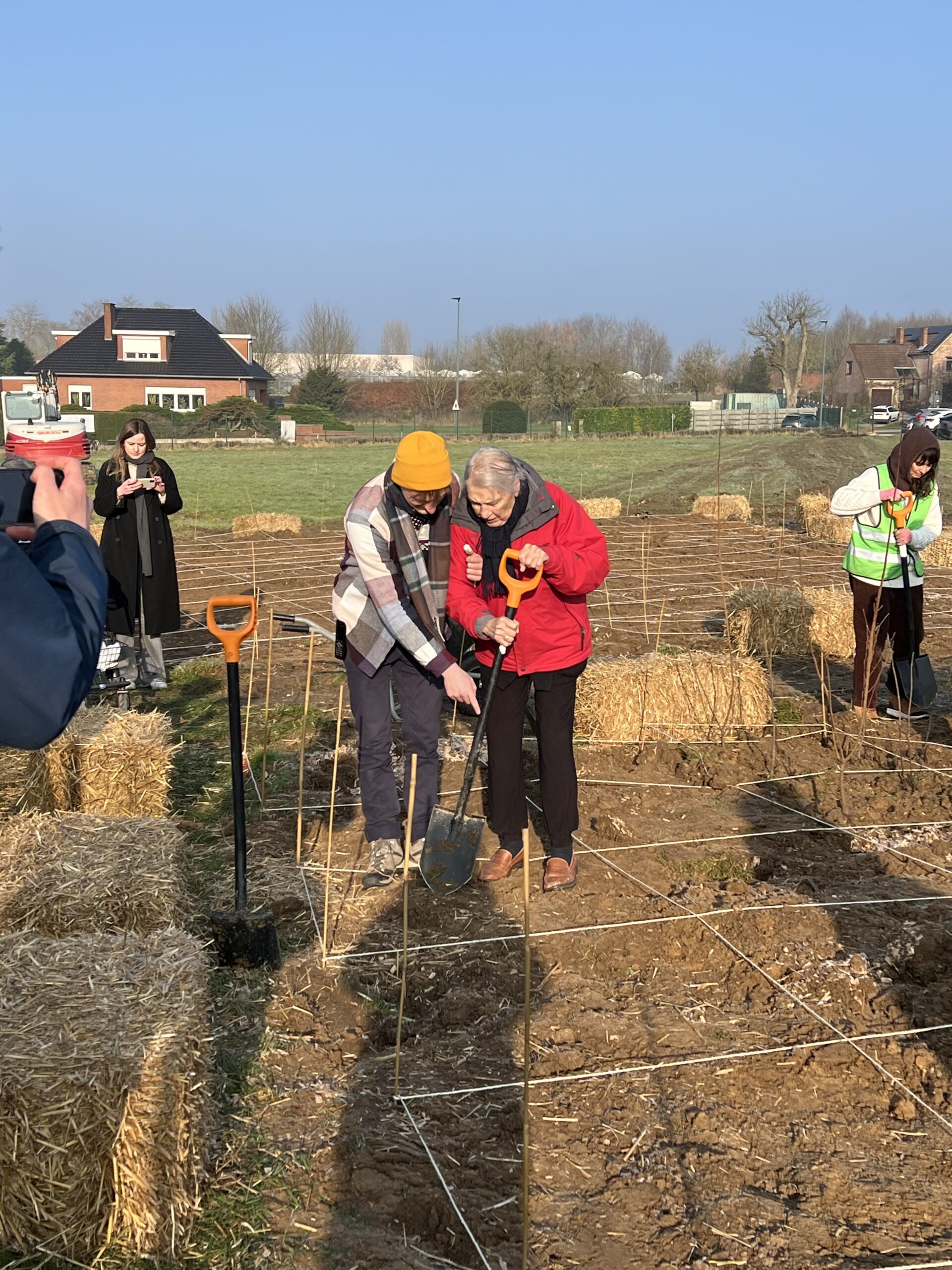
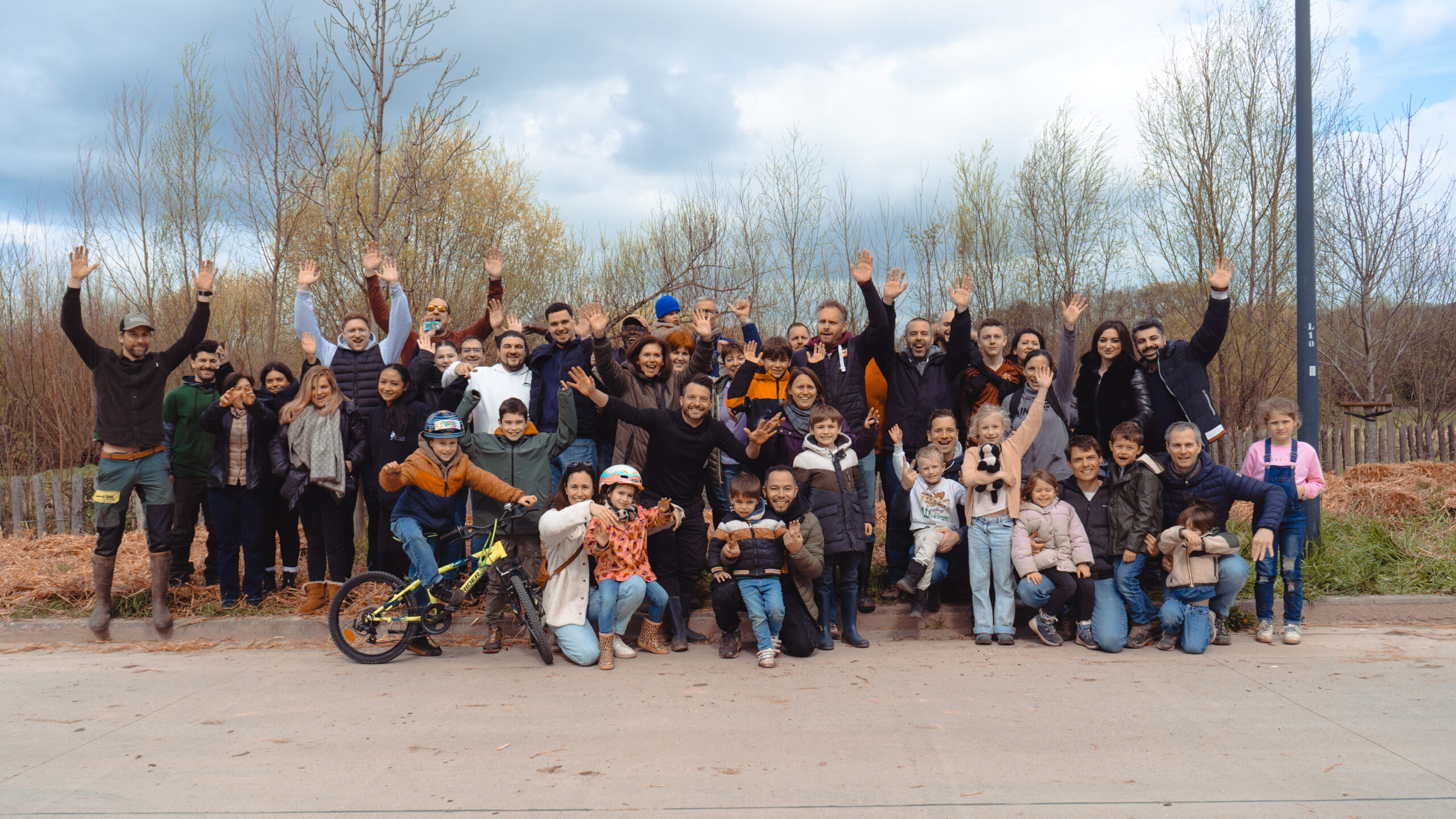
2026 - Planting Day

Let's work together?

Discover our other projects

Our partners