

Honey plant hedges & micro-forests

Nature with Wings - 1

Saint Lambert-Woluwe (Brussels)

535
245
September 2025

The Project

This school Roots & Wings offers an alternative educational approach focused on the child’s growth and development. In particular, the school provides its pupils with a spacious outdoor area that is almost entirely free of hard surfaces.

To make this space even more inviting, vibrant and conducive to both well-being and the learning process, the school wanted to increase the amount of vegetation. This approach is in line with the aim of transforming the outdoor spaces into genuine places for discovery, development and reconnection with nature.

Initial situation

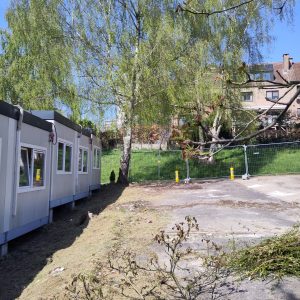
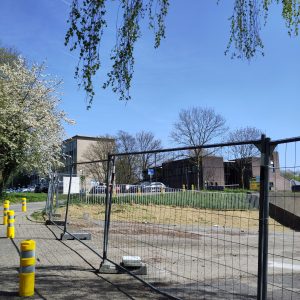
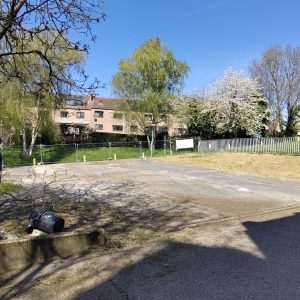
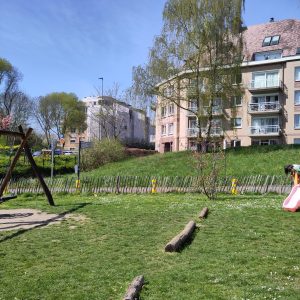
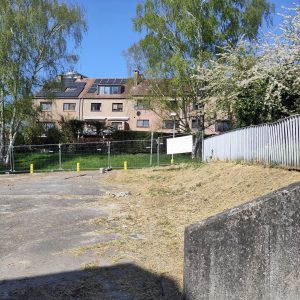
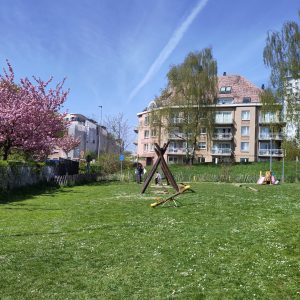
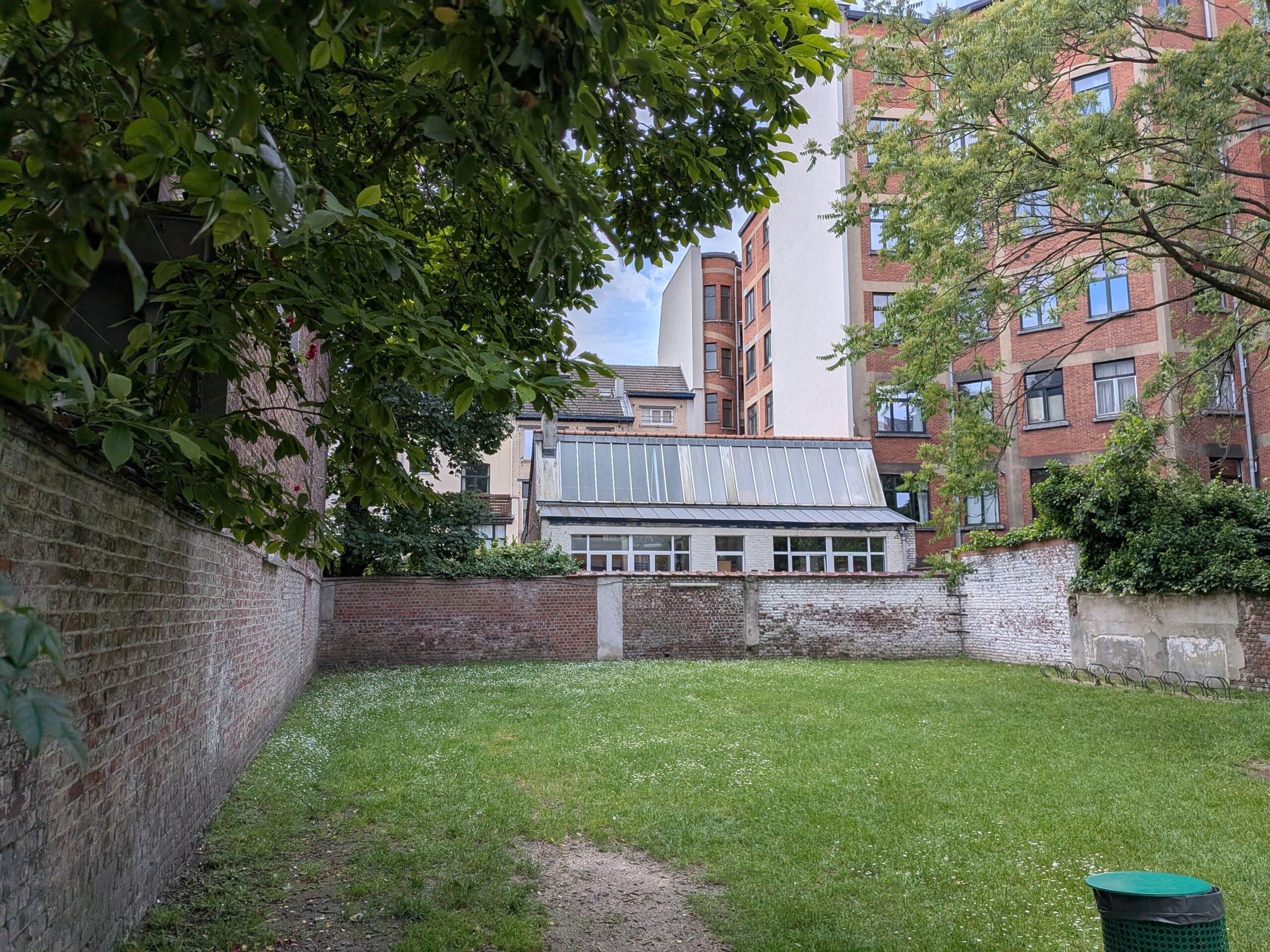
The school already had a large outdoor area offering pupils plenty of opportunities for play, exploration and learning.

Although the site had been almost entirely cleared of mineral deposits, the vegetation there was still not very diverse. The challenge was therefore to enrich this environment without changing its uses, by creating new green spaces that would benefit pupils, teachers and biodiversity.

SOWoods’ solution

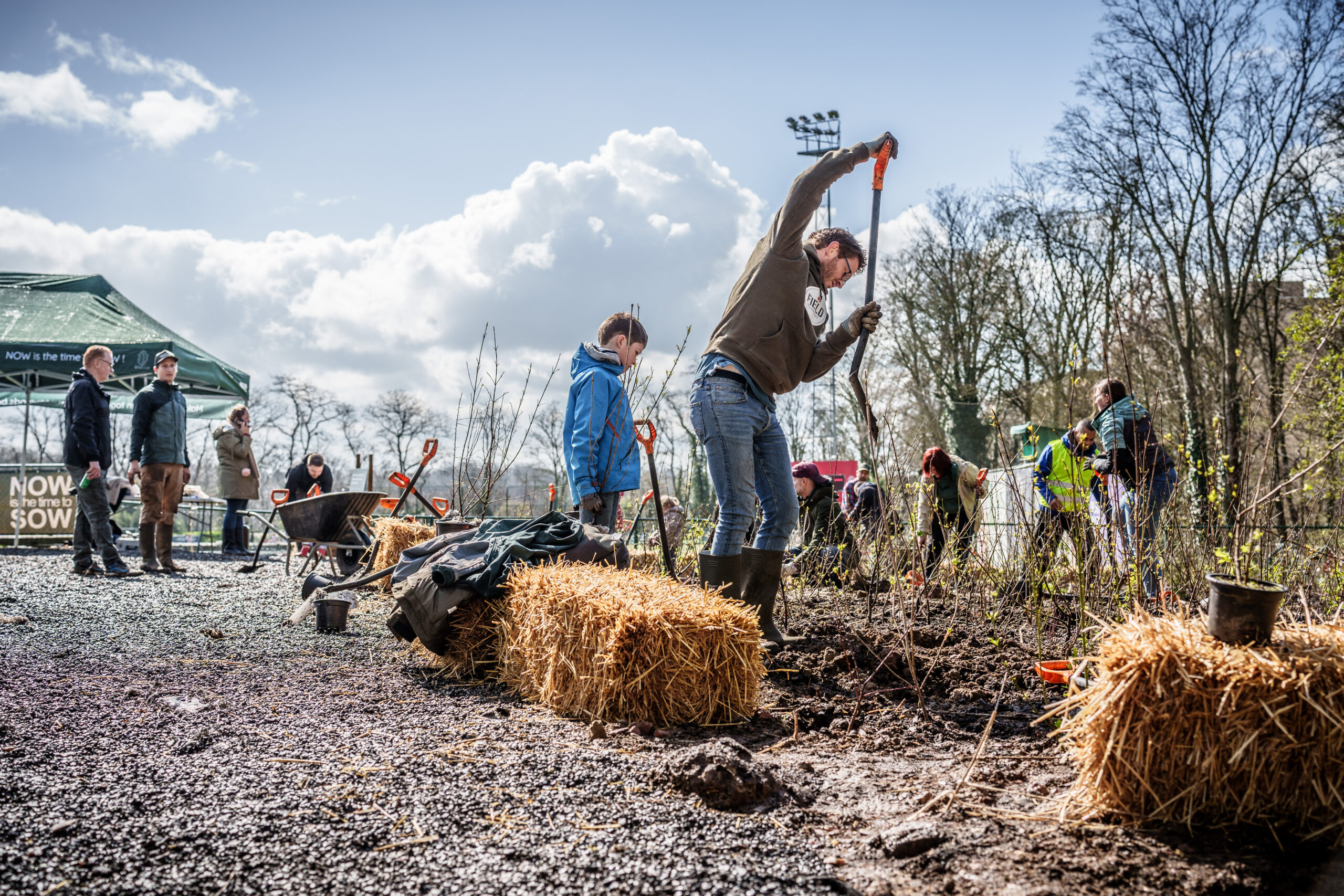
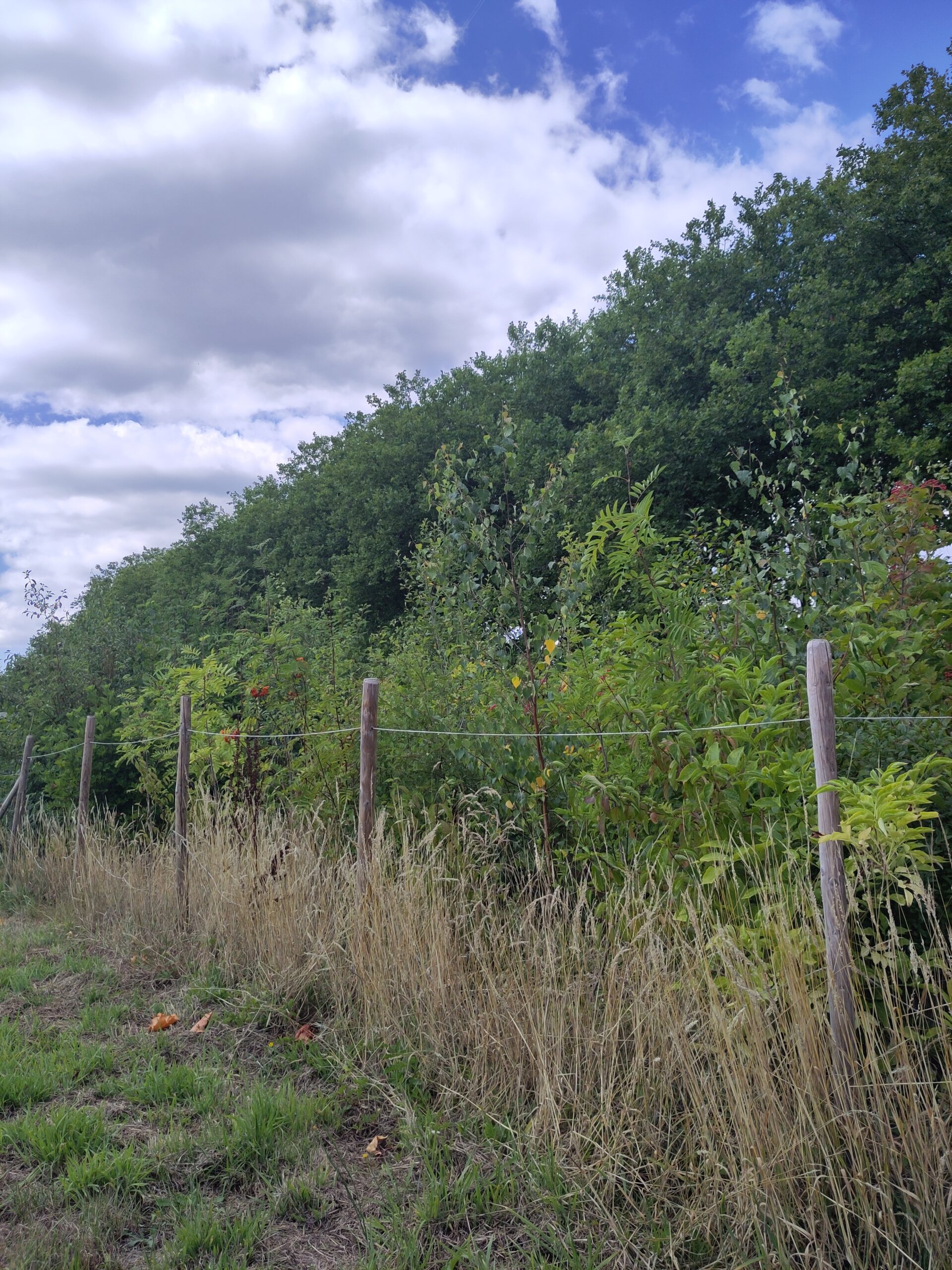
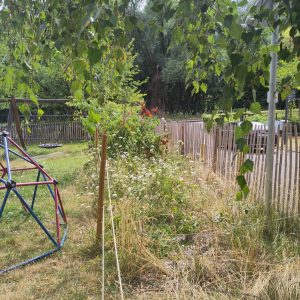
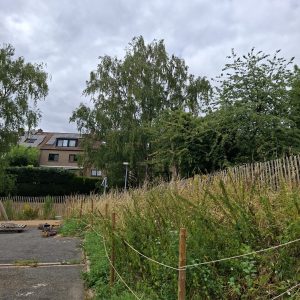
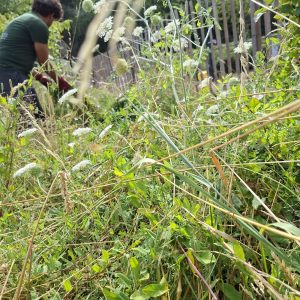
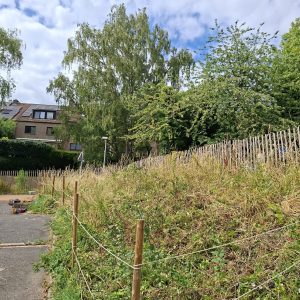
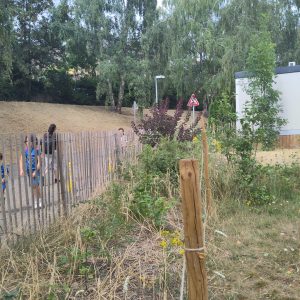
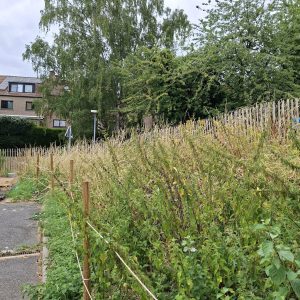
In September 2025, SOWoods completed the first phase of its greening project, which involved creating a micro-forest and two honey plant hedges.

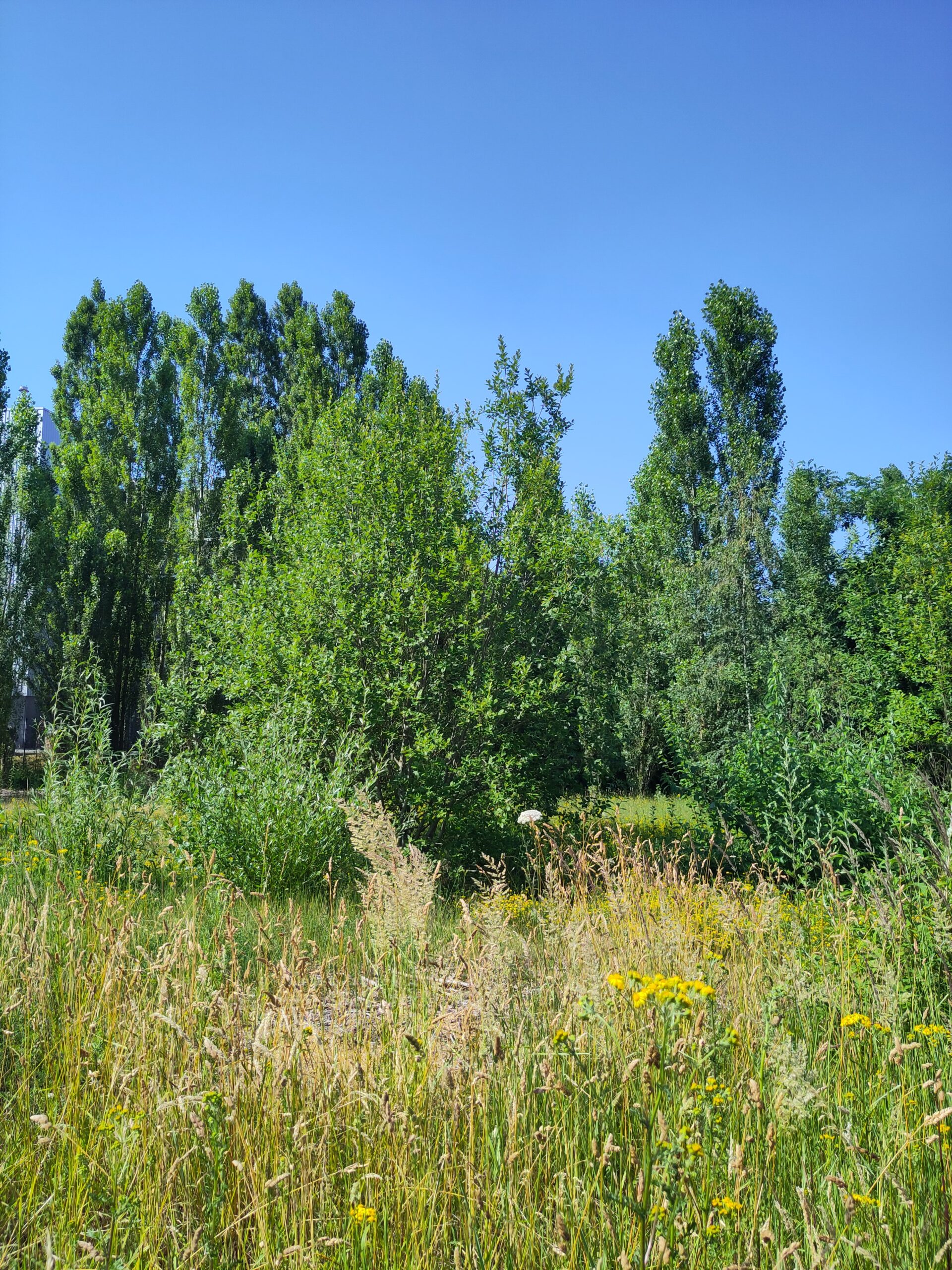
These developments were designed to provide a natural structure to the space, diversify the types of vegetation, and create new habitats and food sources for pollinating insects, birds and small wildlife.

As they develop, the micro-forest and hedgerows will also help to make the outdoor space more pleasant and immersive for pupils and teachers. This initial project forms a living foundation, set to evolve with the changing seasons and as the vegetation grows. It is fully in line with the SOWoods approach, which aims to transform school grounds into places of wellbeing, learning and nature awareness.

Benefits

Ecologocial

  • Diversification of habitats and resources for pollinating insects, birds and small wildlife.
  • Enhancing biodiversity within the school environment.
  • Gradual improvement in soil quality and vitality.


Climate-related :

  • Gradual creation of shaded and cool areas.
  • Improved water infiltration into the soil.
  • Contribution to temperature regulation within the school’s outdoor space.


Social :

  • Creating a more pleasant and vibrant outdoor environment for pupils and teachers.
  • Strengthening children’s daily connection with nature.
  • Developing a space conducive to observation, discovery and outdoor learning.
24
20
SCHOOL

2026 - July

2025 - Before

Let's work together?

Discover our other projects

Our partners